
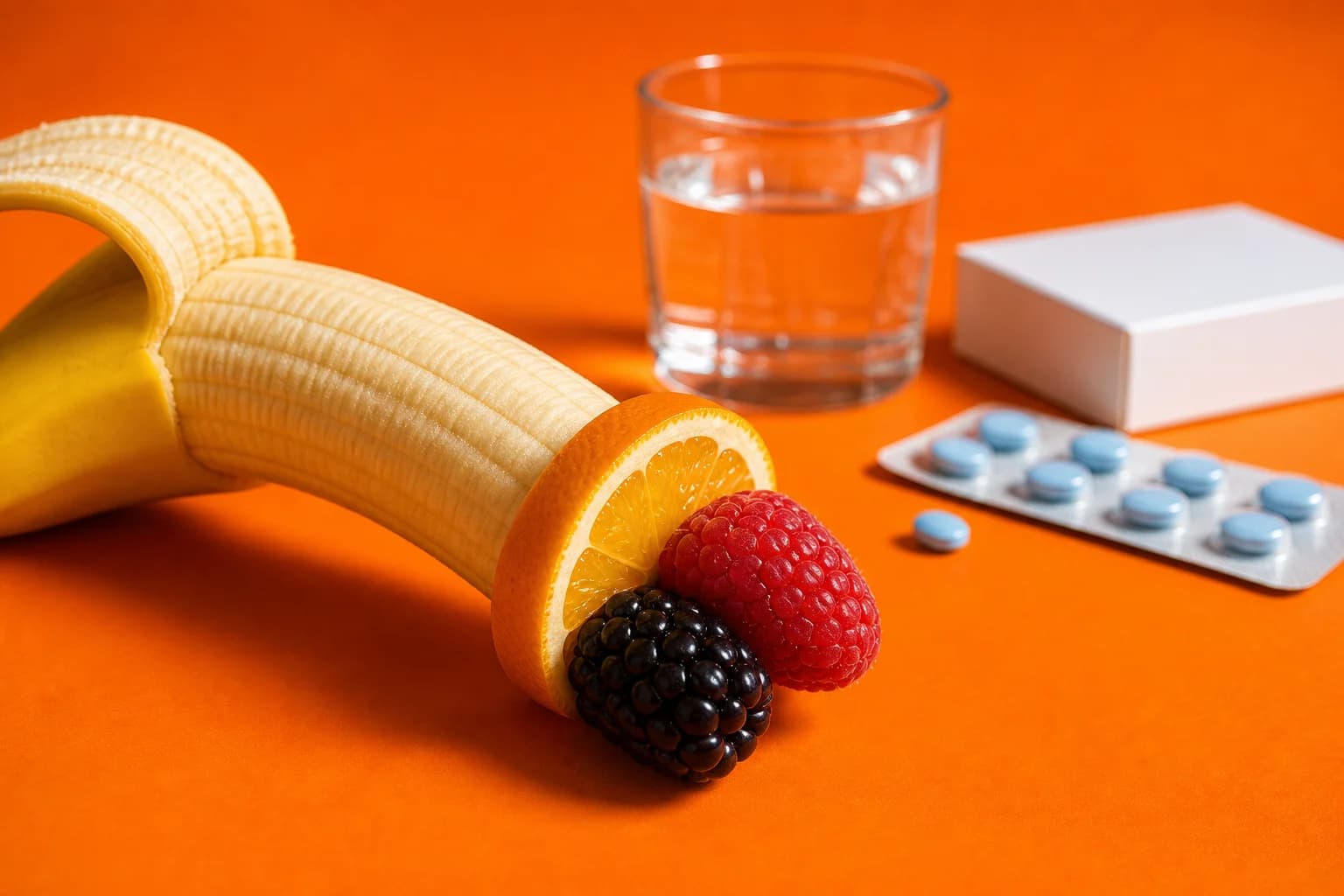
Understanding Erectile Dysfunction
Know more. Take control. Live better. Erectile dysfunction is more than just a physical problem. It can affect confidence, relationships, and overall well-being. The good news is that you are not alone, and there are things you can do to support your sexual health.
What Is Erectile Dysfunction?
ED is the consistent difficulty in getting or keeping an erection firm enough for satisfactory sexual performance.
Occasional erection problems are normal. ED is different: it happens often and can have various causes.
What Can Cause ED?
ED can result from physical, psychological, or lifestyle-related factors.
Reduced blood flow
Blood-vessel and metabolic conditions can contribute.
Stress, anxiety, or depression
Mental health and relationship concerns can affect sexual function.
Hormonal changes
Hormonal or nerve problems can be part of the picture.
Medicines or medical conditions
A clinician can review medicines and possible underlying causes.
ED can be an early sign of an underlying health condition such as heart disease, diabetes, or high blood pressure.
Risk Factors
You cannot always control your risk, but knowing what contributes can help you take charge.
Ageing
Risk can increase with age.
Health conditions
High blood pressure, diabetes, and heart disease can contribute.
Smoking and alcohol
Smoking and excessive alcohol use can affect blood flow and sexual health.
Activity and weight
Obesity and lack of physical activity can contribute.
Sleep and stress
Poor sleep and chronic stress can affect hormones and wellbeing.
Healthy Habits, Stronger You
Small daily changes can improve your overall health—and your sexual performance.
Stay active
Regular exercise improves circulation, boosts mood, and supports testosterone.
Eat well
A balanced diet rich in fruits, vegetables, whole grains, and healthy fats supports heart and sexual health.
Sleep better
Seven to eight hours of quality sleep each night helps your body recover and maintain hormonal balance.
Manage stress
Mindfulness, deep breathing, or yoga can help when chronic stress affects hormones and libido.
Quit smoking
Smoking damages blood vessels and reduces blood flow to the penis.
Limit alcohol
Drinking in moderation is key: too much can lower testosterone and affect performance.
When Should You Seek Help?
Talk to a healthcare professional if you:
Ongoing difficulty
Have trouble getting or keeping an erection often.
A sudden change
Notice a sudden change in your sexual performance.
Other symptoms
Have fatigue, low libido, or mood changes.
Health conditions
Have diabetes, heart disease, or high blood pressure.
Worry or stress
Feel worried or stressed about your sexual health.
Key Takeaways
ED is common and treatable
Support is available.
It can signal other health issues
A clinician can help identify contributing factors.
Healthy habits matter
They improve overall wellbeing and sexual performance.
You do not have to face it alone
Private, respectful support is available.
Better health leads to better performance.
Take the first step today. Your future self will thank you.
This information is for educational purposes only and does not replace professional medical advice. Please consult your healthcare provider for personalised recommendations.