HIV Prevention & Treatment
HIV can be prevented and treated. With the right information, regular testing, and appropriate medication, people can protect their health and live long, healthy lives.
Know Your HIV Status
Testing is the only way to know whether you have HIV. HIV may not cause noticeable symptoms, so testing is recommended whenever you have had a possible exposure or want greater certainty about your health.
A positive self-test result is not a final diagnosis. It must be confirmed at a clinic or healthcare facility. A negative result may also need to be repeated if the exposure was recent.
Ways to Prevent HIV
Use condoms correctly
Condoms help prevent HIV and several other sexually transmitted infections.
Consider PrEP before exposure
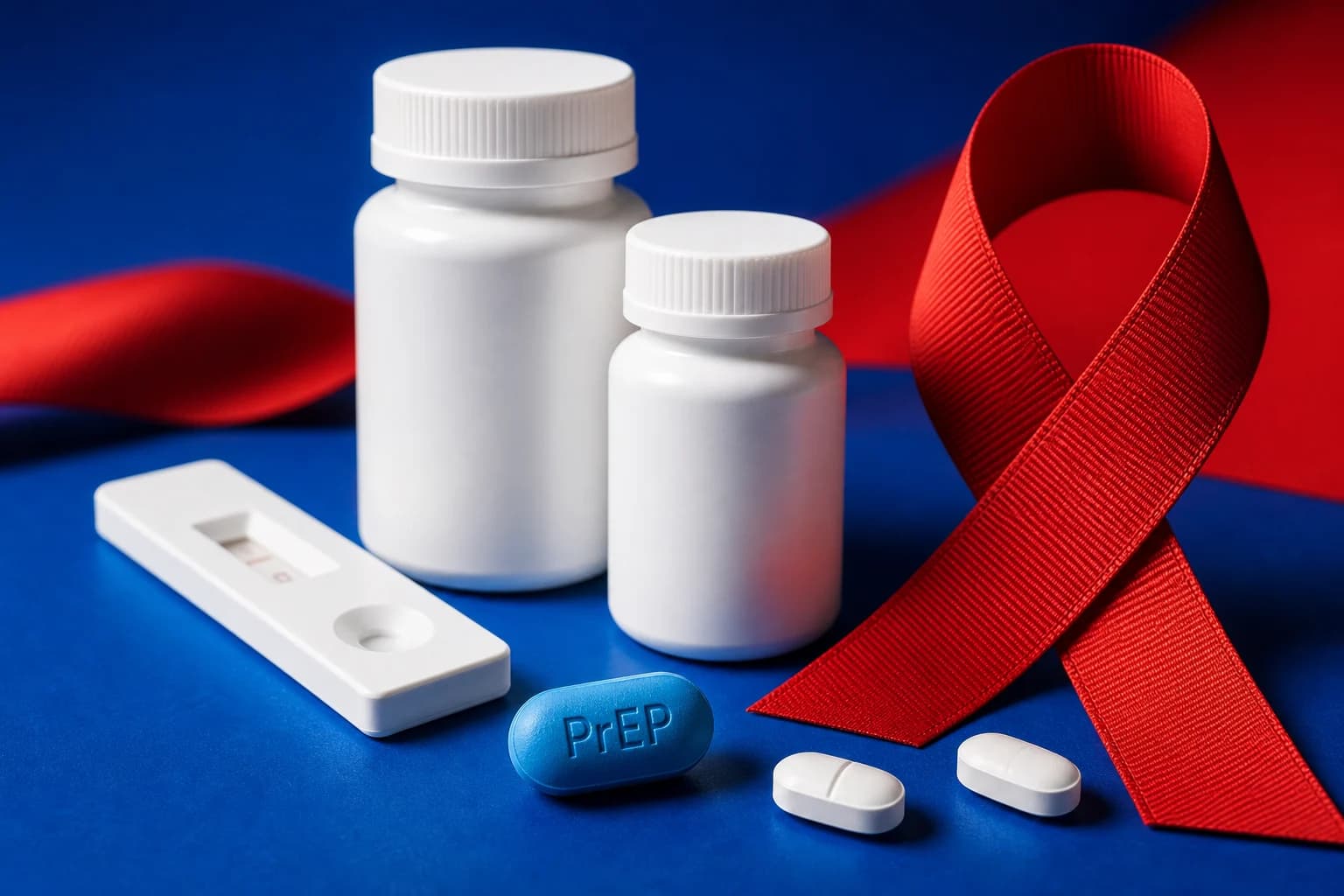
PrEP is medication for people who do not have HIV but may have an ongoing chance of exposure. It must be taken according to professional guidance and does not protect against other STIs or pregnancy.
Seek PEP after possible exposure
PEP is emergency medication used after a possible HIV exposure, such as a condom breaking or unprotected sex. It must be started as soon as possible and no later than 72 hours after exposure.
Do not share needles or injection equipment
Always use new, sterile equipment.
Test and communicate regularly
Knowing your own status and discussing testing with your partner can help both of you make informed decisions.
HIV Treatment
HIV is treated with daily medication called antiretroviral treatment. Treatment lowers the amount of HIV in the body, protects the immune system, and allows people living with HIV to lead long and healthy lives. HIV treatment controls the virus but does not currently cure it.
Treatment should be started with guidance from a qualified healthcare professional. Take your medication exactly as prescribed and attend regular check-ups. Do not stop, skip, share, or change HIV medication without professional advice.
Undetectable Means Untransmittable — U=U
When a person living with HIV takes treatment consistently and maintains an undetectable viral load, they do not transmit HIV to their sexual partners. Regular blood tests are needed to confirm that the viral load remains undetectable.
HIV Is Not Spread Through Everyday Contact
You cannot get HIV from hugging, shaking hands, sharing food, using the same toilet, coughing, sneezing, or ordinary social contact.
Hugging
Everyday contact does not spread HIV.
Shaking hands
Everyday contact does not spread HIV.
Sharing food
Everyday contact does not spread HIV.
Using the same toilet
Everyday contact does not spread HIV.
Coughing or sneezing
Everyday contact does not spread HIV.
Take the Next Step
Possible exposure within the past 72 hours?
Seek PEP immediately.
Unsure of your HIV status?
Take an HIV test.
Interested in ongoing protection?
Speak with a healthcare professional about PrEP.
Living with HIV?
Continue treatment and arrange regular monitoring.
Received a reactive self-test result?
Visit a healthcare facility for confirmation and support.
Better health leads to better performance.
Take the first step today. Your future self will thank you.
Medication and test kits should be used according to their instructions and professional guidance. Product information on this website does not replace a medical consultation.